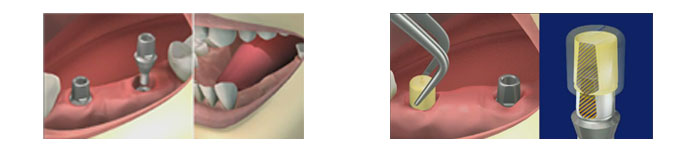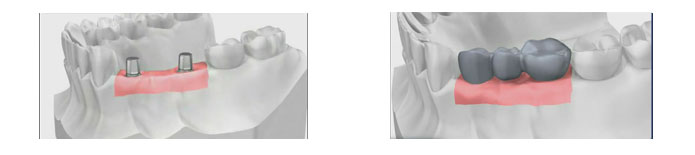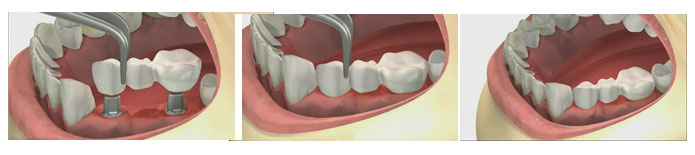


Dental implant is the most efficient procedure to replace missing teeth. If in the past dental crowns or crown restoration were used as replacements, now we can enjoy complex and secure treatment through dental implant. Implants replace missing teeth, providing the same function as natural teeth.
Implantology is about replacing the natural root of the tooth with an artificial titan root and serves as support for crowns when you have missing teeth. The goal is to replace missing teeth with artificial teeth functioning and looking like natural teeth.
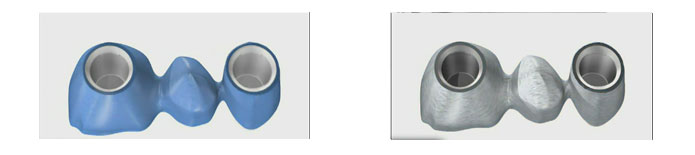
The dental implant comes in the shape of a titan screw. We have to mention that the implant procedure is just the replacement of the root of the teeth, being separated from the aesthetic procedure (crown or proteic from ceramic or zirconium).
Before any diagnosis, the dentist will conduct a full workout on the patient , including blood tests and CT scan.
You don’t have to be scared about getting an implant. Latest studies show that an implant has a 95% success rate.
Why get dental implants?
Maxillofacial Osteoporosis that results due to loss of teeth affects the jaw bone, for which a denture is not a good solution because it does not work properly and causes problems with chewing and pronunciation.
The role of the dental implant is to provide a complete solution for replacing missing teeth without the problems caused by dentures.

When do we need implants ?
You can get an implant when you have a single missing tooth, or more.
Who can get dental implants ?
Anyone can choose to replace missing teeth with implants, especially:
- people that can heal properly when suffering a wound
- people with proper oral hygiene
- people who have a good jaw bone structure
- people who do not suffer from any disease.
- They look and function just like natural teeth;
Being strong and stable, dental implants feel and function just like a natural tooth. Other options might cause maxillary atrophy and they can cause problems while you chew, smile and speak; - Prevents gastric problem by ensuring the proper mastication of foods.
- Sustainability - the best long-term solution
Traditionally, bridges or dentures lasts between 5-7 years. When the patient has very good care of them, they can last up to 10 years but at some point, you have to change them. Dental implants may need periodically small adjustments, but they will last a lifetime if they care treated properly. - Improves pronunciation of words
When you place a dental bridge or a denture, you need some time to accommodate to pronounce words correctly. Dental implants eliminate this problem because they look and function like natural teeth. - Improves Aesthetics
- Improves your physical and mental welfare
- Improves oral health
- Protects neighbouring teeth as they are not damaged as when installing a bridge
- Helps preserve unaltered maxillary bone volume and density, provides beneficial stimuli to your jaw bone, just like natural tooth roots.
- Insertion of the implant immediately after extraction
- Postextractional delayed implant placement (2 weeks to 3 months)
- Late implantation (3 months after extraction)
- Immediately
- From 1 to 12 weeks
- Gradually (from 3 to 6 months)
- Late (over six months)
Advantages and benefits of dental implants
Lifting de sinus
In the upper jaw teeth are located above anatomical spaces called sinuses. The increase in volume of the sinuses, causes a reduction of the volume in the superior jaw. While these are physiologically acceptable bone losses, they may reach levels that can prevent implant procedures.
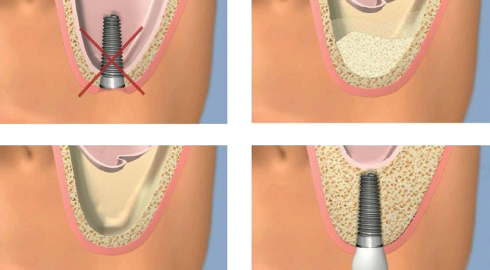
With this operation, which can be performed under general or local anesthesia, depending on the patient's wish, bone particles are placed in the jaw bone and sinus mucosa and wait a period of 6 months.Grafts are used for this procedure (from hip or lower jaw below) or bones. After the formation of bone, the doctor will proceed with the implant procedure.
The surgical procedure for installing a dental implant
In immediate procedures, the gum is not usually unveiled. The doctor removes a small circular fragment from the gum directly above the location where a drill in the bone will be made. The bone is drilled and the implant is added, as well as the crown.
There are multiple methods to install an implant, such as::